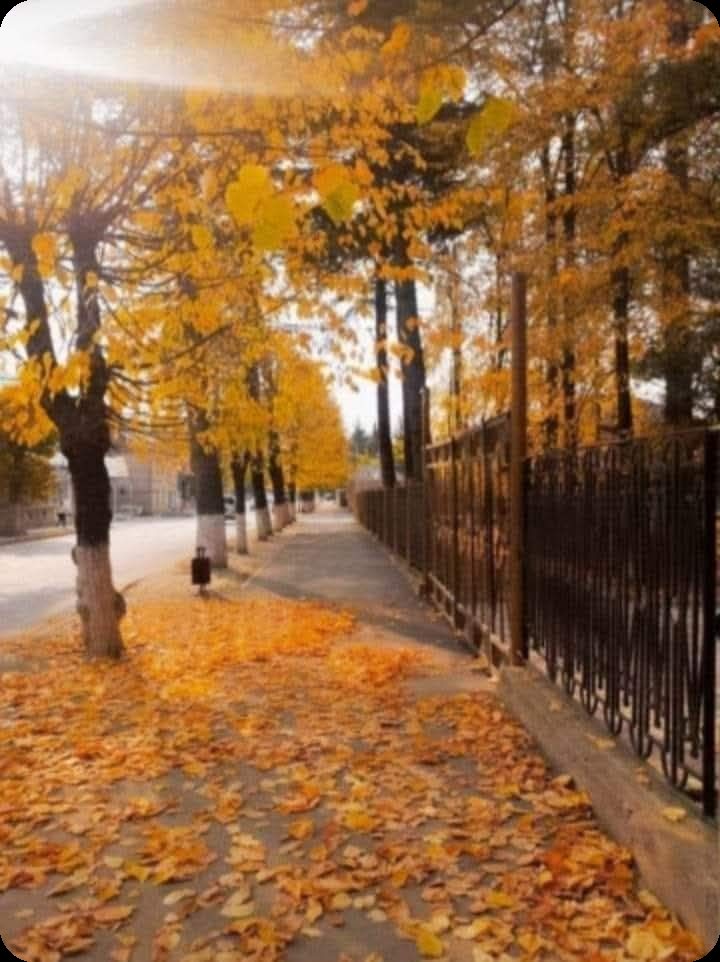
What Needs to Change: mobility, community and environment
From listening to lived experience to barriers, strengths and opportunities for change. Roads without pavements, six months of isolation and the air near factories.
The participants’ photographs showed not only what they hold dear, but also what makes everyday life harder: infrastructure, isolation and the environment around the settlements.
Everyday mobility and public space
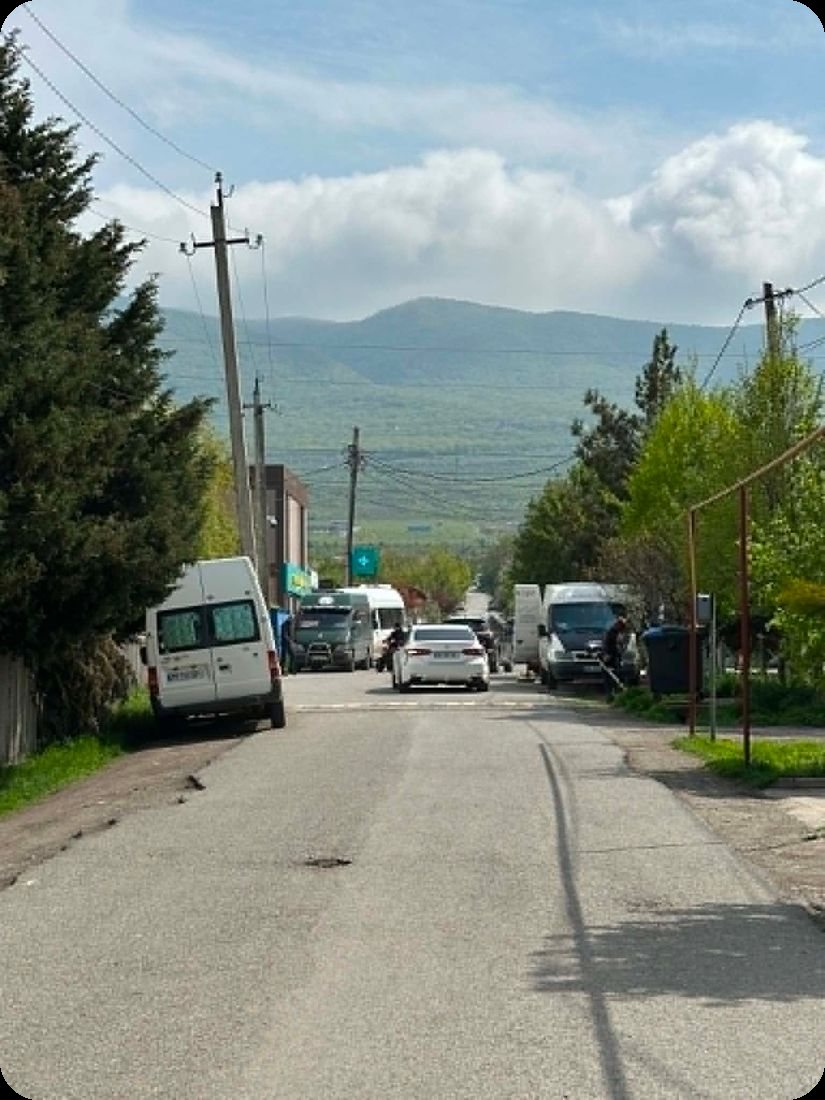
The roads are damaged, and there are no pavements inside the settlement.
Nino, Georgian internally displaced womanFrom isolation to community connection
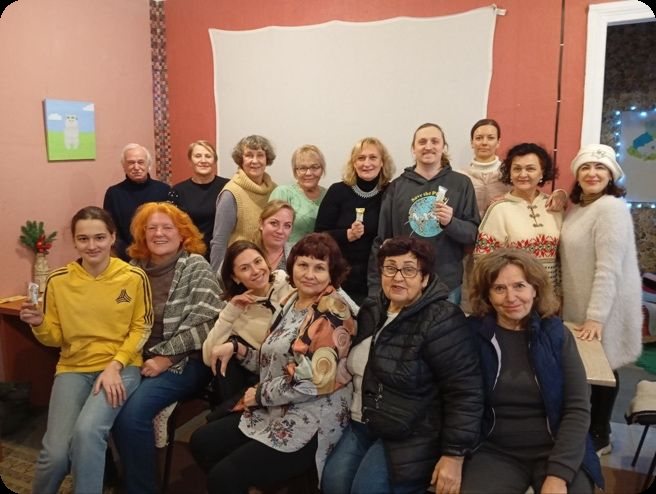
I didn’t go anywhere for about six months. […] Now I have all these meetings, and they are very supportive.
Nadia, Ukrainian refugeeThe environment we share
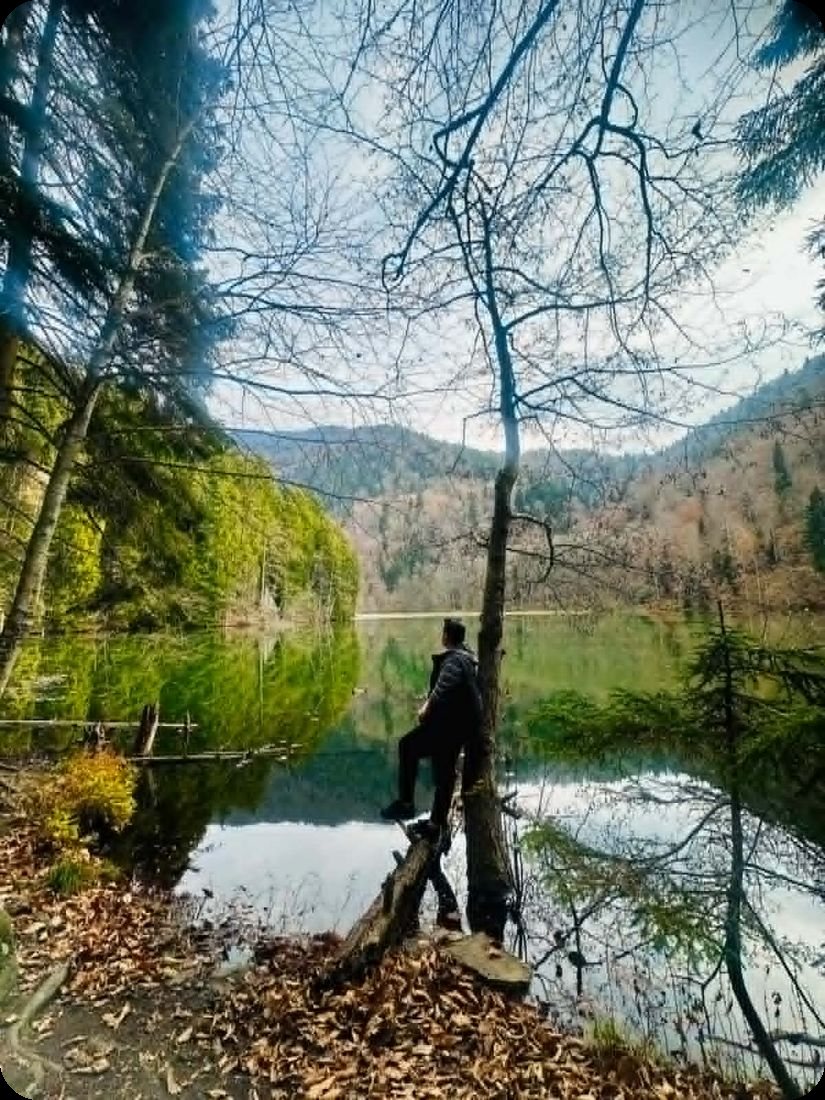
It is unbearable to be here in the summer, there is a stench from these factories, the air is not good.
Sopho, Georgian internally displaced womanFrom listening to action
Listen — understand what participants identify as important.
Recognise — identify barriers alongside strengths and existing resources.
Act together — work with participants to identify priorities and possible responses.
Research team: Shorena Sadzaglishvili, Rusudan Asatiani (Ilia State University, Georgia) and Kateryna Ihnatenko. 17 participants: 9 Georgian internally displaced women and 8 Ukrainian refugees, mean age 45.6. Five sessions per group: photographs, personal narratives and facilitated group discussions.